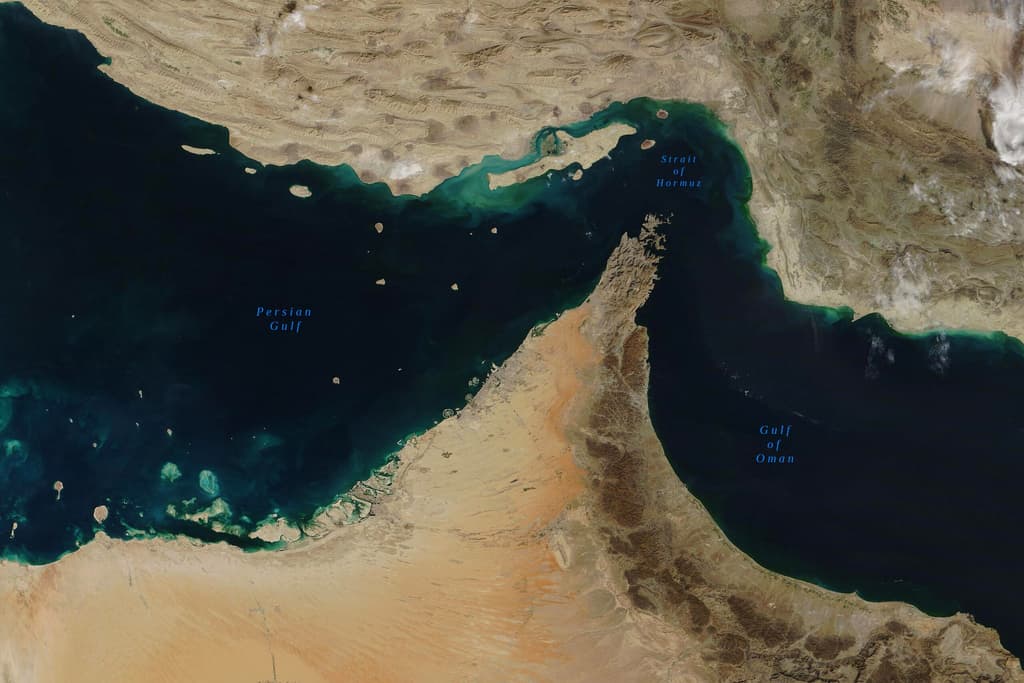
Trader consensus on Strait of Hormuz ship transits for March 17-23 centers tightly around 40-44 (27.6%) and 45+ (25.5%), reflecting steady commercial tanker flows averaging 6-7 vessels daily amid routine oil export demand from Gulf producers. Recent U.S. naval patrols and absence of Iranian seizures or Houthi spillover incidents have sustained volumes near historical weekly norms of 35-50 ships, per shipping trackers like AIS data. The close contest stems from balanced risks: persistent regional tensions cap upside while resilient global energy needs prevent sharp drops. Separation could arise from weekend incident reports, new Tehran threats, or Friday EIA updates on Gulf loadings, potentially shifting odds toward lower bins if disruptions emerge.
Experimental AI-generated summary referencing Polymarket data · UpdatedHow many ships transit the Strait of Hormuz this week? (Mar 17-23)
How many ships transit the Strait of Hormuz this week? (Mar 17-23)
40-44 26.7%
45+ 26%
35-39 20%
30-34 15%
$152,399 Vol.
$152,399 Vol.
<10
2%
10-14
2%
15-19
2%
20-24
5%
25-29
7%
30-34
15%
35-39
20%
40-44
27%
45+
26%
40-44 26.7%
45+ 26%
35-39 20%
30-34 15%
$152,399 Vol.
$152,399 Vol.
<10
2%
10-14
2%
15-19
2%
20-24
5%
25-29
7%
30-34
15%
35-39
20%
40-44
27%
45+
26%
Transit calls include container, dry bulk, roll-on/roll-off, general cargo, and tanker ships. Ships not reported by IMF Portwatch will not be considered.
This market will resolve as soon as data has been published for the final date in the specified period. If no data has been published for the final date of the specified period within 14 calendar days (ET) after the end of that period, this market will resolve based on data published up to that point.
Revisions to previously published data points made within this market’s timeframe will be considered. Revisions to previously published data points after data is published for March 23, 2026, however, will not be considered.
The resolution source for this market will be IMF Portwatch, specifically the transit calls data published for the Strait of Hormuz at https://portwatch.imf.org/pages/cb5856222a5b4105adc6ee7e880a1730, both in the chart and through downloadable files.
Market Opened: Mar 16, 2026, 9:02 PM ET
Resolver
0x69c47De9D...Resolver
0x69c47De9D...Trader consensus on Strait of Hormuz ship transits for March 17-23 centers tightly around 40-44 (27.6%) and 45+ (25.5%), reflecting steady commercial tanker flows averaging 6-7 vessels daily amid routine oil export demand from Gulf producers. Recent U.S. naval patrols and absence of Iranian seizures or Houthi spillover incidents have sustained volumes near historical weekly norms of 35-50 ships, per shipping trackers like AIS data. The close contest stems from balanced risks: persistent regional tensions cap upside while resilient global energy needs prevent sharp drops. Separation could arise from weekend incident reports, new Tehran threats, or Friday EIA updates on Gulf loadings, potentially shifting odds toward lower bins if disruptions emerge.
Experimental AI-generated summary referencing Polymarket data · Updated

Beware of external links.
Beware of external links.
Frequently Asked Questions