
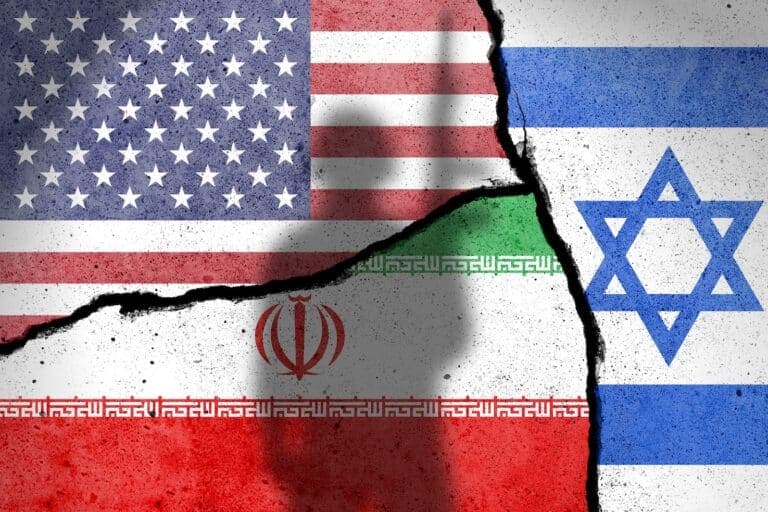
Trader consensus on Polymarket assigns low implied probability to direct Iranian military action against a Gulf state in the specified timeframe, shaped by recent Israel-Iran exchanges, including Tehran's October 1 missile and drone barrage on Israel and Israel's limited October 26 strikes on Iranian air defenses. Primary drivers include Iran's explicit warnings to Saudi Arabia, UAE, Bahrain, and Qatar against allowing their territory for counterstrikes, coupled with Houthi proxy attacks disrupting Red Sea shipping vital to Gulf economies. Strong US military presence, economic ties via OPEC+, and Iran's domestic constraints deter escalation, though proxy flare-ups persist. Watch for post-US election policy shifts and Israeli operations against Hezbollah, which could broaden regional risks.
Experimental AI-generated summary referencing Polymarket data · UpdatedIran military action against a Gulf State on...?
Iran military action against a Gulf State on...?
March 18
98%
March 19
87%
March 20
86%
March 21
72%
March 22
79%
March 23
76%
March 24
59%
March 25
58%
March 26
66%
March 27
67%
March 28
54%
March 29
53%
March 30
51%
March 31
48%
$5,546 Vol.
March 18
98%
March 19
87%
March 20
86%
March 21
72%
March 22
79%
March 23
76%
March 24
59%
March 25
58%
March 26
66%
March 27
67%
March 28
54%
March 29
53%
March 30
51%
March 31
48%
Qualifying "Gulf States" are as follows: Bahrain, Kuwait, Oman, Qatar, Saudi Arabia, and the United Arab Emirates.
Only military actions by Iranian forces explicitly claimed by the Islamic Republic of Iran, or confirmed to have originated from Iranian territory, will count toward the resolution of this market. Attacks by proxy forces (i.e. Hezbollah, Houthis, etc.) will not count toward the resolution of this market.
For the purposes of this market, a qualifying "military action" is defined as the use of aerial bombs, drones, or missiles (including cruise or ballistic missiles) launched by Iranian military forces that impact a gulf state's ground territory.
A strike on any area within the terrestrial territory of a listed gulf state counts.
Missiles or drones that are intercepted and surface-to-air missile strikes will not be sufficient for a "Yes" resolution, regardless of whether they land on a gulf state's territory or cause damage.
Actions such as artillery fire, small arms fire, FPV or ATGM strikes, ground incursions, naval shelling, cyberattacks, or other operations conducted by Iranian ground operatives will not qualify.
The primary solution resolution source will be official government/military statements (Iranian or foreign), multilateral bodies (UN, etc.), or a consensus of credible reporting from major international media and national broadcasters/newspapers.
If the date/time of a strike cannot be confirmed by a consensus of credible reporting by the end of the third calendar date after this market's end date, it will resolve to "No" regardless of whether a strike was later confirmed to have taken place.
Market Opened: Mar 17, 2026, 8:01 PM ET
Resolver
0x65070BE91...Resolver
0x65070BE91...Trader consensus on Polymarket assigns low implied probability to direct Iranian military action against a Gulf state in the specified timeframe, shaped by recent Israel-Iran exchanges, including Tehran's October 1 missile and drone barrage on Israel and Israel's limited October 26 strikes on Iranian air defenses. Primary drivers include Iran's explicit warnings to Saudi Arabia, UAE, Bahrain, and Qatar against allowing their territory for counterstrikes, coupled with Houthi proxy attacks disrupting Red Sea shipping vital to Gulf economies. Strong US military presence, economic ties via OPEC+, and Iran's domestic constraints deter escalation, though proxy flare-ups persist. Watch for post-US election policy shifts and Israeli operations against Hezbollah, which could broaden regional risks.
Experimental AI-generated summary referencing Polymarket data · Updated

Beware of external links.
Beware of external links.
Frequently Asked Questions