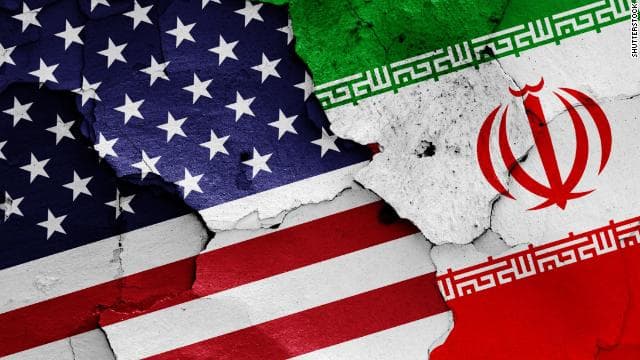
Trader consensus prices near-zero odds on US ground forces entering Iran by year-end, reflecting the Biden administration's strict avoidance of direct military confrontation amid Israel's recent airstrikes on Iranian targets and Tehran's missile retaliation. US involvement remains limited to defensive intercepts aiding Israel, naval patrols against Iran-backed Houthis, and sanctions enforcement, with no official plans for invasion signaled by Pentagon statements. Escalation risks persist from Iran's nuclear program advancements and proxy activities, but domestic US election priorities and war fatigue constrain aggressive action. Key watch: November 5 presidential vote, which could pivot policy under a new commander-in-chief, alongside potential IAEA reports on Iran's uranium enrichment.
Experimental AI-generated summary referencing Polymarket data · UpdatedUS forces enter Iran by..?
US forces enter Iran by..?
$20,796,868 Vol.
March 31
25%
April 30
55%
December 31
66%
$20,796,868 Vol.
March 31
25%
April 30
55%
December 31
66%
Military special operation forces will qualify; however, intelligence operatives will not count.
US military personnel must physically enter the terrestrial territory of Iran to qualify. Entering Iran's maritime or aerial territory will not count.
Military contractors, military advisors, or high-ranking US service members entering Iran for diplomatic purposes (and their accompanying entourage) will not qualify.
The resolution source will be a consensus of credible reporting.
Note: Only US military personnel who deliberately enter the terrestrial territory of Iran for operational purposes (e.g., military, humanitarian, etc.) will qualify. Pilots who are shot down, or other cases in which US military personnel do not deliberately enter the terrestrial territory of Iran, will not qualify.
Market Opened: Mar 18, 2026, 12:30 PM ET
Resolver
0x65070BE91...Resolver
0x65070BE91...Trader consensus prices near-zero odds on US ground forces entering Iran by year-end, reflecting the Biden administration's strict avoidance of direct military confrontation amid Israel's recent airstrikes on Iranian targets and Tehran's missile retaliation. US involvement remains limited to defensive intercepts aiding Israel, naval patrols against Iran-backed Houthis, and sanctions enforcement, with no official plans for invasion signaled by Pentagon statements. Escalation risks persist from Iran's nuclear program advancements and proxy activities, but domestic US election priorities and war fatigue constrain aggressive action. Key watch: November 5 presidential vote, which could pivot policy under a new commander-in-chief, alongside potential IAEA reports on Iran's uranium enrichment.
Experimental AI-generated summary referencing Polymarket data · Updated
Beware of external links.
Beware of external links.
Frequently Asked Questions